
Why Climb Mount Kilimanjaro?
Mount Kilimanjaro at 5,895 metres (19,341 feet) is the highest peak in Africa and one of the world's Seven Summits. Unlike the other Six Summits, Kilimanjaro requires no technical climbing skills or specialist mountaineering equipment — making it the most accessible of the world's great peaks and an achievable life goal for any determined, reasonably fit person.
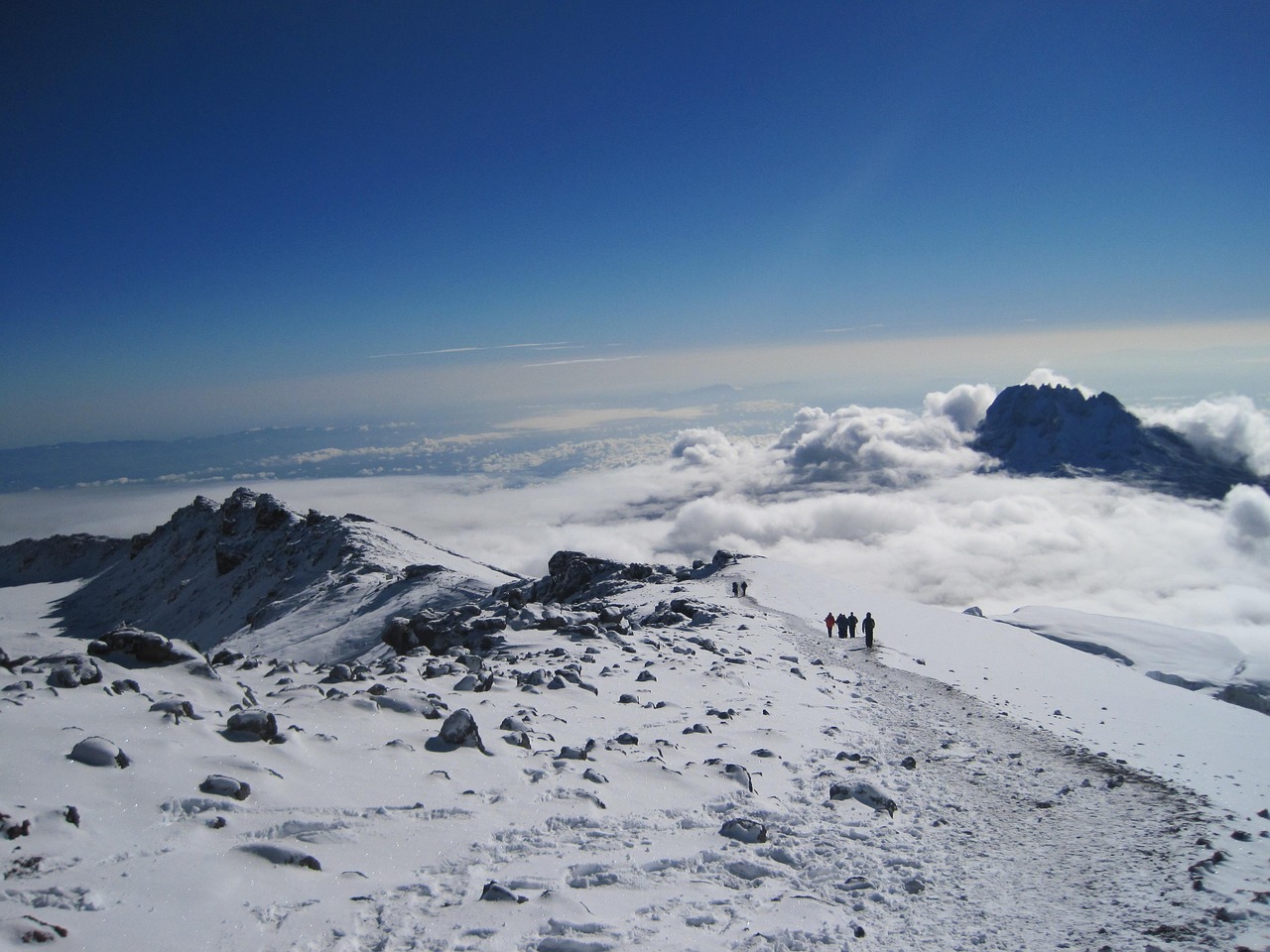
Standing on Uhuru Peak — the literal Roof of Africa — as dawn breaks over the clouds below is one of the most profound experiences a person can have. The journey through five distinct ecological zones, from lush rainforest to barren alpine desert to glaciated summit, is as rewarding as the destination itself.
"Kilimanjaro is not just a mountain. It is a life experience. The person who descends is never quite the same as the person who began the ascent." — Beryx Travel Kilimanjaro Guide
The Main Kilimanjaro Routes
Lemosho Route (7–8 Days) — Most Recommended
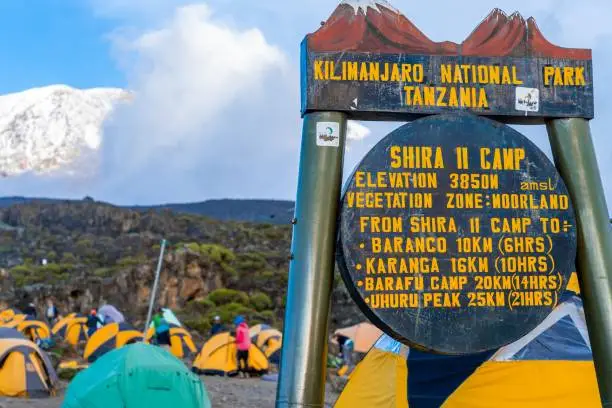
The Lemosho Route is widely considered the best Kilimanjaro route for its combination of spectacular scenery, excellent acclimatisation profile, and high success rates. Beginning from the remote Londorossi Gate on the western slopes, the route traverses a variety of stunning landscapes including the Shira Plateau and the dramatic Southern Icefields approach to the summit.
- Duration: 7–8 days
- Distance: ~70 km total
- Success rate: ~90% (8-day variation)
- Difficulty: Moderate
- Best for: Maximum acclimatisation, spectacular views, wildlife on lower slopes
- Price from: $2,850 per person with Beryx Travel
Machame Route (6–7 Days) — Most Popular
The Machame Route — nicknamed the "Whiskey Route" — is the most popular route on Kilimanjaro and offers spectacular scenery including the iconic Barranco Wall. Its "climb high, sleep low" acclimatisation profile makes it very effective despite its shorter duration than the Lemosho.
- Duration: 6–7 days
- Distance: ~62 km total
- Success rate: ~85% (7-day variation)
- Difficulty: Moderate to challenging
- Best for: Adventurous trekkers, scenic variety, sociable atmosphere
- Price from: $2,850 per person with Beryx Travel
Marangu Route (5–6 Days) — Hut Accommodation
The Marangu Route — nicknamed the "Coca-Cola Route" — is the only route on Kilimanjaro offering dormitory hut accommodation rather than tents. It's the shortest and most straightforward route, but has the lowest success rate due to its limited acclimatisation time. However, it remains popular for those who prefer sleeping in huts.
- Duration: 5–6 days
- Success rate: ~65% (5-day) to ~85% (6-day)
- Difficulty: Moderate (but altitude is the challenge)
- Best for: Hut preference, shorter trips, introductory experience
- Price from: $2,700 per person with Beryx Travel
How Difficult Is Climbing Kilimanjaro?
Kilimanjaro's difficulty is primarily determined by altitude, not technical terrain. The walking itself is straightforward — no ropes, crampons, or technical climbing skills are required. However, the altitude presents a genuine challenge that should not be underestimated:
- At 5,895m, oxygen levels are approximately 50% of sea level
- Virtually all climbers experience some symptoms of Acute Mountain Sickness (AMS) — headache, nausea, fatigue
- The key to success is proper acclimatisation — choosing a longer route and following the "climb high, sleep low" principle
- Fitness level matters less than some expect — a moderate level of general fitness is sufficient
Who can climb Kilimanjaro? Trekkers aged 10 to 70+ have successfully summited. The key requirements are reasonable cardiovascular fitness, proper preparation, and a determined mindset. We recommend regular cardiovascular exercise (hiking, running, cycling) for 3–4 months before your climb.
Best Time to Climb Kilimanjaro
Kilimanjaro can be climbed year-round, but the two main dry seasons offer the best conditions:
- January–February: The clearest conditions, less wind, excellent summit views. Beautiful snow on the upper mountain.
- June–October: Tanzania's peak dry season. Busy on the mountain, but excellent weather and clear summit mornings.
Avoid the long rains (March–May) and short rains (November–December) if possible, as wet, cold conditions and poor visibility make the summit push more challenging and less rewarding.
What to Pack for Kilimanjaro
The key to Kilimanjaro packing is the layering system — you'll pass through tropical, temperate, and arctic conditions in the space of a few days. Essential items include:
- Waterproof outer shell jacket and trousers — essential for summit night and rain zones
- Insulated mid-layer — down jacket or synthetic fleece
- Moisture-wicking base layers — merino wool or synthetic (avoid cotton)
- Warm hat, gloves, and balaclava — summit temperatures can reach -20°C at night
- Trekking boots — waterproof, broken-in, with ankle support
- Trekking poles — highly recommended for descent and summit push
- Headlamp with extra batteries — summit night starts at midnight
- High-altitude sleeping bag — rated to at least -10°C
Kilimanjaro Costs: What's Included
Kilimanjaro trekking costs include mandatory park fees, which are set by the Tanzanian National Parks Authority (TANAPA). As of 2025, park fees alone are approximately $1,000–$1,200 per person for a standard route. Beryx Travel's all-inclusive packages cover:
- All park and conservation fees
- Professional certified guides (KPAP-compliant)
- Porters (maximum 15kg per porter carried)
- All meals and accommodation on the mountain
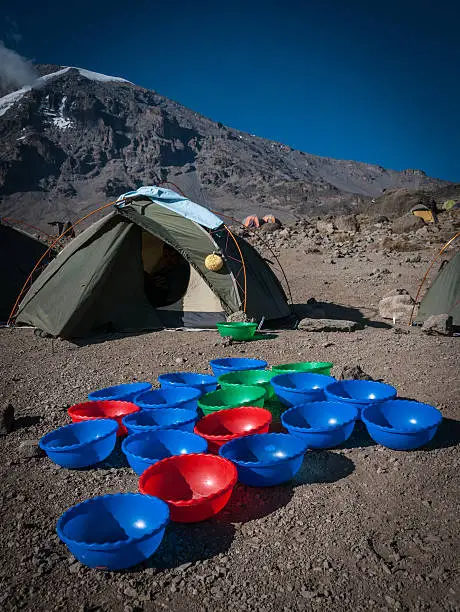
- Sleeping and mess tents, cooking equipment
- Rescue and emergency evacuation equipment
- Airport transfer and pre-trek briefing
Contact us at info@beryxtravel.com for a personalised quote.
Summit Night: What to Expect
Summit night is the most challenging part of any Kilimanjaro climb — and the most memorable. You'll depart Barafu Camp (4,673m) or Kibo Hut (4,720m) at midnight, trekking by headlamp through freezing temperatures and thin air. The ascent to Stella Point takes 5–7 hours of slow, steady climbing, followed by a final 1–2 hours to Uhuru Peak.
The reward at the top is indescribable — the glaciers glowing in the first light of dawn, the curve of the Earth visible at the horizon, and the profound satisfaction of standing on the highest point in Africa.